
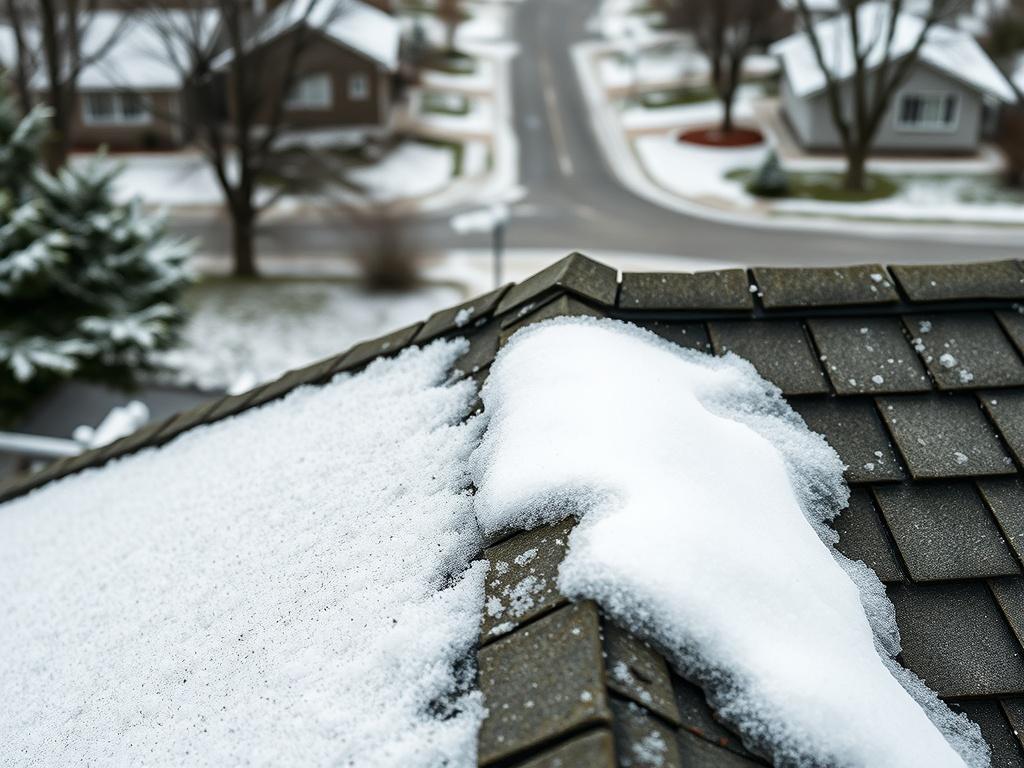
As winter gives way to spring, homeowners across Baltimore find themselves celebrating the end of snowy days. However, the melting snow often unveils hidden issues that can lead to costly repairs if left unaddressed. While it may be tempting to relax and enjoy the warmer weather, it’s crucial to take a closer look at your roof. The aftermath of melting snow can reveal problems ranging from ice dam damage to clogged gutters, all of which can compromise your home’s integrity.
In this blog post, we’ll guide you through the essential inspections and maintenance tasks every homeowner should complete as the snow melts away. By recognizing early signs of trouble and taking proactive steps, you can safeguard your roof and ensure it withstands the elements in the seasons to come. So, let’s dive in and explore what to look for when the snow finally melts!
Understanding the impact of melting snow on your roof
As the winter chill subsides and snow begins to melt, homeowners in Baltimore should remain vigilant about potential roof issues that can arise. The weight of accumulated snow may not only cause immediate stress but also create hidden problems that become apparent once temperatures rise. Melting snow transforms into meltwater that can infiltrate vulnerable areas of your home, leading to costly repairs if left unchecked. Keeping a keen eye on your roof during this transitional period can help you catch any damage early and mitigate further complications.
The prolonged exposure to moisture can exacerbate existing issues, such as cracked shingles or compromised flashing. Additionally, the rapid fluctuations in temperature can lead to freeze-thaw cycles, which can further weaken the structural integrity of your roof. By understanding the impact of melting snow, you can take proactive measures to ensure your roof remains sound and your home stays protected from the elements. Regular inspections and timely maintenance are essential for safeguarding your investment as winter gives way to spring.
Recognizing early signs of ice dam damage
As the snow begins to melt, homeowners should remain vigilant for signs of ice dam damage that often go unnoticed during the winter months. Ice dams, which form when snow melts and refreezes at the roof's edge, can trap water under shingles, leading to moisture intrusion. Check for water stains on ceilings, as these can indicate that meltwater has penetrated through the roof. Additionally, inspect your attic for damp spots and pay close attention to vents and chimneys. Any signs of dripping around these areas can be early indicators of significant roof damage.
Ignoring ice dam damage can lead to severe ramifications, including mold growth and structural issues. Therefore, it's essential to act quickly if you notice any of these symptoms. Homeowners can take preventive measures by ensuring proper ventilation and insulation in their attics. Regularly inspecting your roof after the snow melts not only helps identify existing problems but also protects against future leaks during the next storm. By staying proactive, you can mitigate the risks associated with ice dams and prolong the life of your roof.
The importance of clearing gutters after winter melts
As the snow melts away, it’s crucial for homeowners to prioritize gutter maintenance. Clogged gutters can lead to significant issues as they prevent proper water drainage. When melting snow fills your gutters with debris like leaves, ice chunks, and roof granules, water has nowhere to go but back up under the roofline. This condition can lead to moisture accumulation in your home, resulting in leaks, mold growth, and extensive water damage if left unaddressed.
To safeguard against these problems, schedule a thorough gutter cleaning soon after the snow disappears. Make sure to remove all debris and ensure downspouts are clear and functioning correctly. This simple task not only protects your roof but also preserves your home's structural integrity. By taking the initiative to clear your gutters, you can prevent potential damage and headaches before the next storm arrives.
Get updates on new drone projects, aerial shots, and special announcements. Join our Nesletter Today
Hi there,
Thanks for subscribing to the Skyline Baltimore newsletter. I’m glad to have you here.
You’ll receive occasional updates with:
• New aerial projects and behind‑the‑scenes shots
• Tips for roof, gutter, and property maintenance
• Special offers on inspections and mapping
• Local Baltimore highlights from the sky
I keep things simple — no spam, no clutter, just useful updates and great visuals.
If you ever need a roof inspection, aerial photos, or project documentation, Pleace reach out if you need us. 410-790-6632
support@skyline-baltimore.com
Talk soon,
David
Skyline Baltimore Drone Services
Something went wrong. Please try again later.